Two-year post-doctoral fellowship for doctors of chiropractic

Fellowship in Spine Management

Imaging mastery in Year One, then a year of clinical rotations. Interprofessional rotations, coordinated within your own community with the help of NSMG, train chiropractors to work as spine-care navigators alongside radiology, orthopedics, neurosurgery and pain management.

2years, post-doctoral
18imaging modules in Year One
6clinical rotations in Year Two
30+peer-reviewed articles per rotation

Curriculum structure

Read the images first, then begin clinical rotations

The program is sequenced on purpose. Fellows finish the imaging year before rotations begin, so they arrive with the diagnostic vocabulary and imaging literacy that radiology, orthopedic, neurosurgical and pain management teams expect from a colleague.

Year One · Phase I

Advanced Imaging Certification

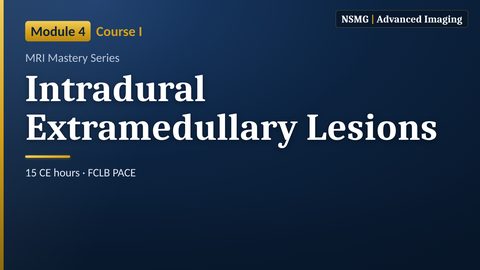
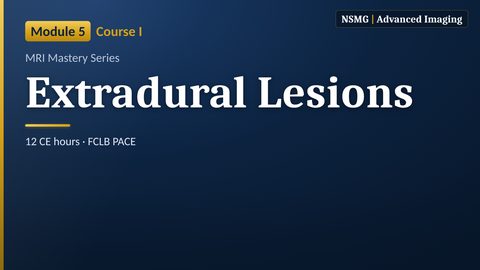
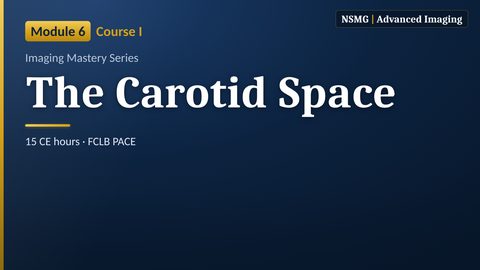
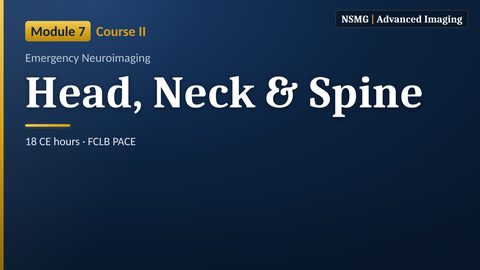
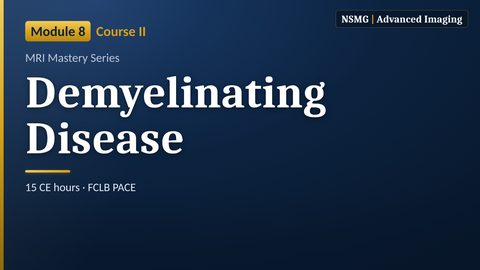
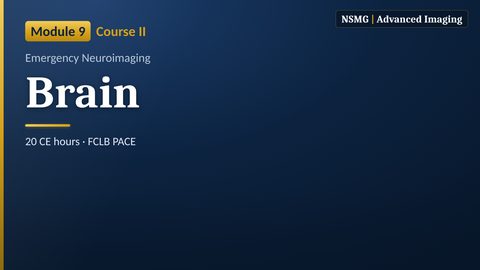
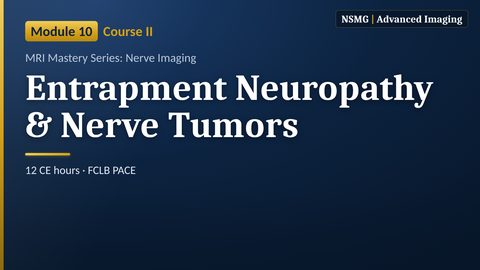
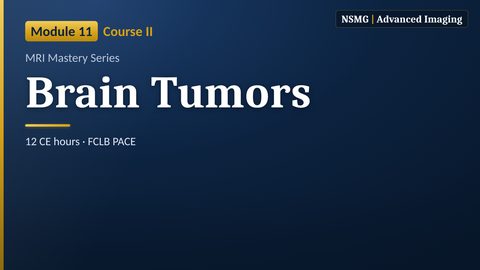
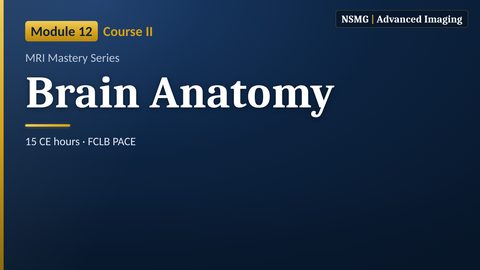
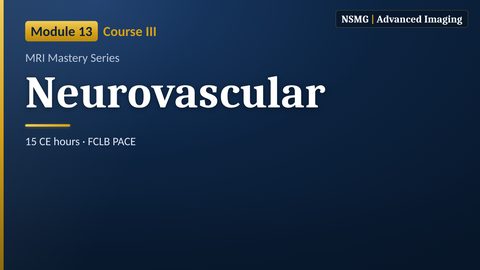
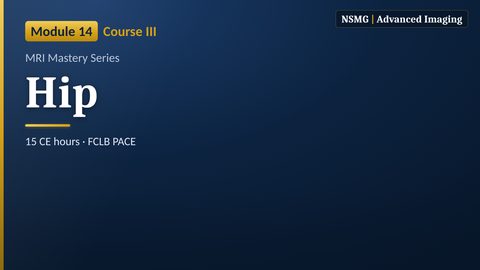
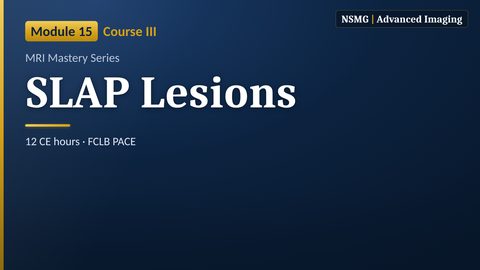
The complete 18-module Spine Management Pathway, developed with Medality™ and delivered on MRI Online.

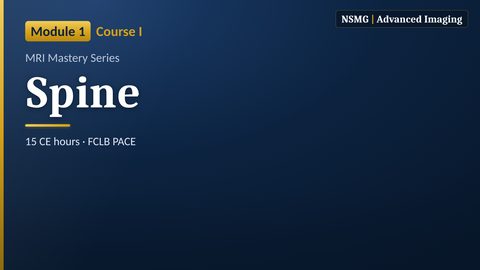
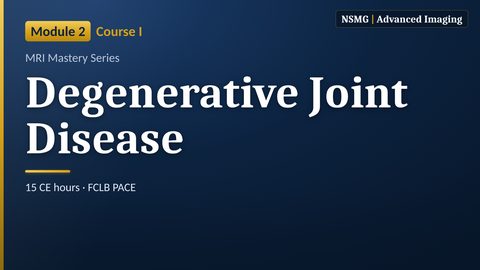
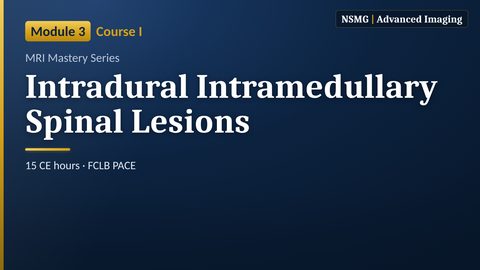
  • Spine, neurologic and musculoskeletal MRI, taught by fellowship-trained radiologists
  • Didactic lecture and DICOM case review in every module
  • A research review and 350-word evidence summary per module
  • 5 MRI case submissions per module, building a 90-case portfolio
View the full imaging curriculum →
Year Two · Phase II

Interprofessional Clinical Rotations

Six rotations coordinated within your own community with the help of NSMG, in the settings where spine patients are actually managed.

  • One on-site day per week for six weeks per rotation
  • Live procedures observed, then applied to your own patients that same week
  • 30+ peer-reviewed articles per rotation, with evidence summaries
  • Ends with the fellow working as a spine-care navigator on the team
See the six rotations →

Year Two · Clinical rotations

How every rotation works

Each rotation runs one day a week for six weeks with a clinical host in your own community, coordinated with the help of NSMG. Fellows keep their own practice going between on-site days, which is the point: what they see on clinical rotations goes straight into how they manage their patients.

1

Observe on site

One day a week with the host service, observing live procedures, consults and clinical decision-making.

2

Read the evidence

Work through the rotation's 30+ peer-reviewed articles and write evidence summaries that tie the literature to what you saw.

3

Apply it that week

Bring the observations into active patient management in your own practice, the same week.

Week 11 on-site day
Week 21 on-site day
Week 31 on-site day
Week 41 on-site day
Week 51 on-site day
Week 61 on-site day
Rotation 16 weeks · 1 day/week

Interventional Pain Management

Observe spinal procedures and learn the decision pathways behind them: when a patient is referred for intervention, and how conservative care fits before and after.

  • Procedure observation
  • Referral decision pathways
  • Conservative care integration
On-site observation30+ peer-reviewed articlesEvidence summaries
Rotation 26 weeks · 1 day/week

MRI Physics & Neuroradiology

How the images are made and read: scan acquisition, slice thickness and diagnostic logic, applied through the program's ABCDE imaging interpretation method.

  • Scan acquisition
  • Slice thickness
  • Diagnostic logic
  • ABCDE method
On-site observation30+ peer-reviewed articlesEvidence summaries
Rotation 36 weeks · 1 day/week

Orthopedic Extremity & Spine Surgery

Separate hip from lumbar pathology and follow the surgeon's reasoning through the operative decision frameworks used in orthopedic spine and extremity care.

  • Hip vs. lumbar pathology
  • Surgical reasoning
  • Operative decision frameworks
On-site observation30+ peer-reviewed articlesEvidence summaries
Rotation 46 weeks · 1 day/week

Neurosurgery & Emergency Medicine

Real-world triage and patient flow, and the neurosurgical view of how urgent a spine case is and when it crosses a referral threshold.

  • Clinical triage
  • Patient flow
  • Urgency & referral thresholds
On-site observation30+ peer-reviewed articlesEvidence summaries
Rotation 56 weeks · 1 day/week

Family & Internal Medicine

Where spine complaints first show up: in primary care visits and within chronic disease management, and what that means for co-management.

  • Primary-care presentation
  • Chronic disease management
  • Co-management
On-site observation30+ peer-reviewed articlesEvidence summaries
Rotation 6 · Capstone6 weeks · 1 day/week

Spine-Care Team Integration

The capstone. Fellows work as the spine-care navigator on the interdisciplinary team, bridging conservative, interventional and surgical services.

  • Navigator role
  • Interdisciplinary team
  • Conservative · interventional · surgical
On-site observation30+ peer-reviewed articlesEvidence summaries

Rotation order and host sites depend on the clinical services available in the fellow's community.

“Innovation in medical training occurs not in medical school — it occurs in residencies and fellowships. Chiropractic deserved the same.”
William J. Owens Jr., DC, FSBT · President & CEO, National Spine Management Group

Clinical training sites

Training in your own community

Rotations are coordinated within your own community with the help of NSMG, so fellows train with local clinical teams, build working relationships close to their own practice and contribute real clinical value while they build their credentialing portfolio.

Pain management practicesInterventional spine procedures
Imaging centersMRI and radiology services
Orthopedic & neurosurgery officesSpine and extremity surgical care
Primary care practicesFamily and internal medicine

Host sites vary by community; NSMG helps each fellow identify and arrange them.

The educational institution

Sets the curriculum, tracks fellow milestones and assesses competency.

The clinical host

Provides the on-site setting, supervision and access to the clinical team.

The fellow

Meets attendance, reading, evidence-summary and case requirements for every rotation.

Each host site's arrangement, coordinated with NSMG, defines these responsibilities, mirroring the structure of formal medical training agreements.

Ideal candidates

Who should apply

01

Community-based practitioners

Established chiropractors who want advanced imaging credentials, medicolegal standing and working relationships with health systems.

02

New graduates

Recent graduates who want structured post-doctoral training and integrated health-system experience from the start of their careers.

03

Academic & clinical leaders

Chiropractors pursuing teaching roles, expert-witness work, or spine-care leadership in health systems and academic institutions.

Program outcomes

What fellows earn and can do

Clinical competencies

  • Systematic MRI interpretation across spine, neurologic and MSK pathology
  • Evidence-based diagnostic communication with radiologists and surgeons
  • Interprofessional navigation developed through clinical rotations
  • Fluency in the ABCDE structured imaging method
  • A documented portfolio of 90+ submitted MRI cases
  • spineCAMP analytics integrated into clinical workflow

Credentials

  • Fellowship Completion Certificate, NSMG
  • Advanced Imaging Certification, with its continuing-education hours
  • Documented completion of six interprofessional clinical rotations
  • CV entry documentation for every completed module and rotation
  • A qualification pathway toward FSBT Fellowship designation

Questions

Fellowship in Spine Management: frequently asked questions

How long is the Fellowship in Spine Management?

Two years, post-doctoral. Year One is the Advanced Imaging Certification (18 imaging modules). Year Two is six interprofessional clinical rotations.

Who is the fellowship for?

Doctors of chiropractic: established community-based practitioners who want advanced imaging credentials, medicolegal standing and working relationships with health systems; recent graduates who want structured post-doctoral training; and chiropractors pursuing teaching roles, expert-witness work, or spine-care leadership in health systems and academic institutions.

How do the clinical rotations work?

There are six rotations. Each runs one day a week for six weeks with a clinical host in your own community, coordinated with the help of NSMG. Fellows observe live procedures, consults and clinical decision-making on site, work through 30+ peer-reviewed articles per rotation with evidence summaries, and apply what they learn to their own patients the same week.

Can I keep my practice running during the fellowship?

Yes. Fellows keep their own practice going between on-site days, which is the point: what they see on clinical rotations goes straight into how they manage their patients.

Where do the rotations take place?

Rotations are coordinated within your own community with the help of NSMG. NSMG works with you to arrange host sites near your practice, so rotation order and host sites depend on the clinical services available in your area.

What credentials do fellows earn?

A Fellowship Completion Certificate from NSMG; the Advanced Imaging Certification, with its continuing-education hours; documented completion of six interprofessional clinical rotations; CV entry documentation for every completed module and rotation; and a qualification pathway toward FSBT Fellowship designation.

Train where spine patients are managed

Enrollment starts with a conversation about your goals, your practice and the clinical hosts in your community.

Questions? wowens@nationalspinemanagement.com · 716-228-3847